Most probability tutorials assume prior knowledge and open with symbols. This guide starts from zero, using cards to explain marginal, joint, and conditional probability.
Understand Python functions from scratch: defining them with def, parameters vs arguments, returning values, and the NoneType and None gotcha.
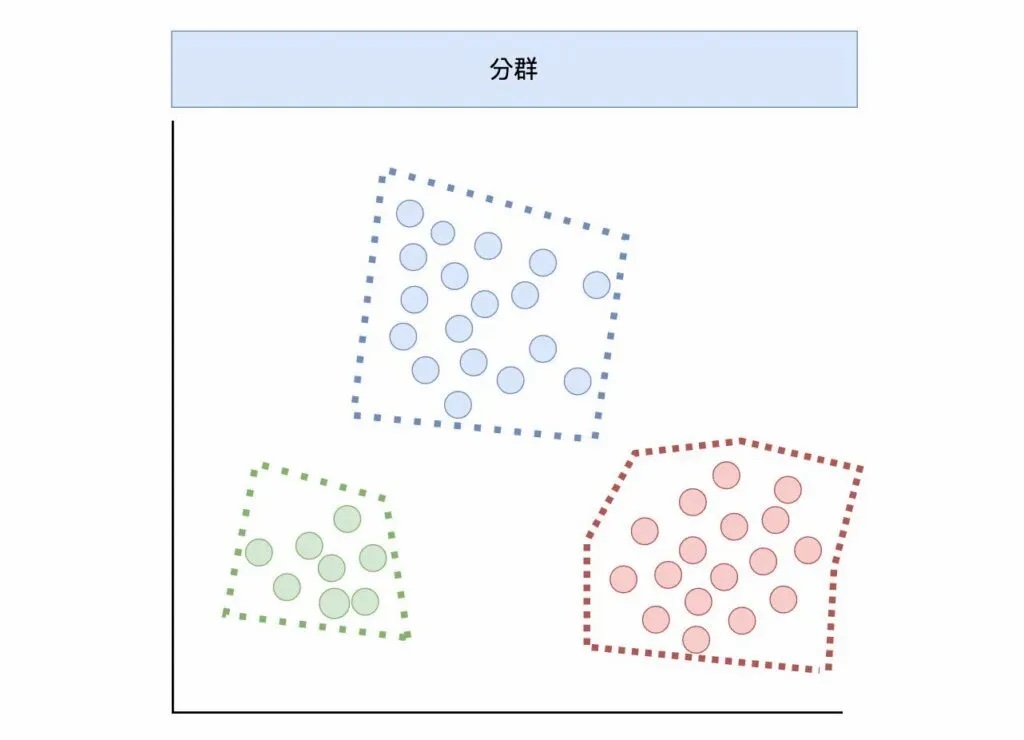
A worked example in the five-step ML series: clustering books by style with no labels, using K-Means and the silhouette coefficient to pick the right number of clusters.
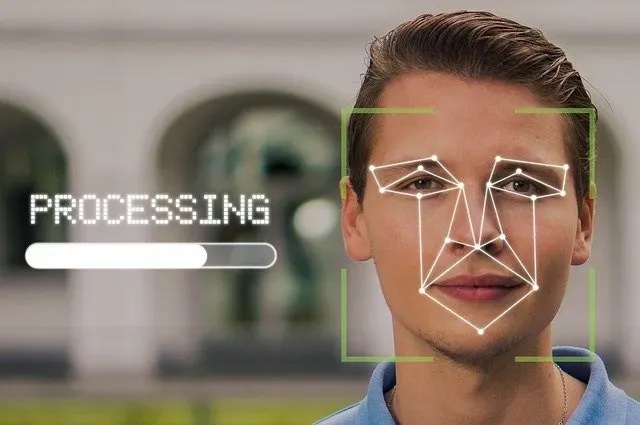
Face recognition breaks the classic models behind house price prediction and book clustering. Same five steps, but only a neural network gets this one working.
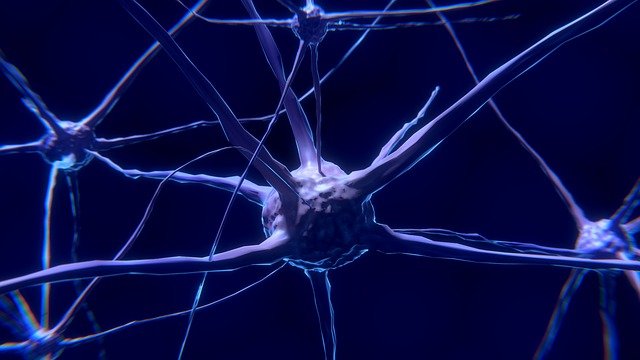
The perceptron is the ancestor of the neural network. How it weighs inputs against a threshold, why that threshold became the bias, and why one perceptron is a NAND gate.
Having covered the five ML steps one at a time, this post runs house price prediction through all five end to end, from problem definition to training and inference.
Understand Python loops in one article: the difference between while and for loops, how break and continue redirect the flow, and how range()'s start, stop and step work.